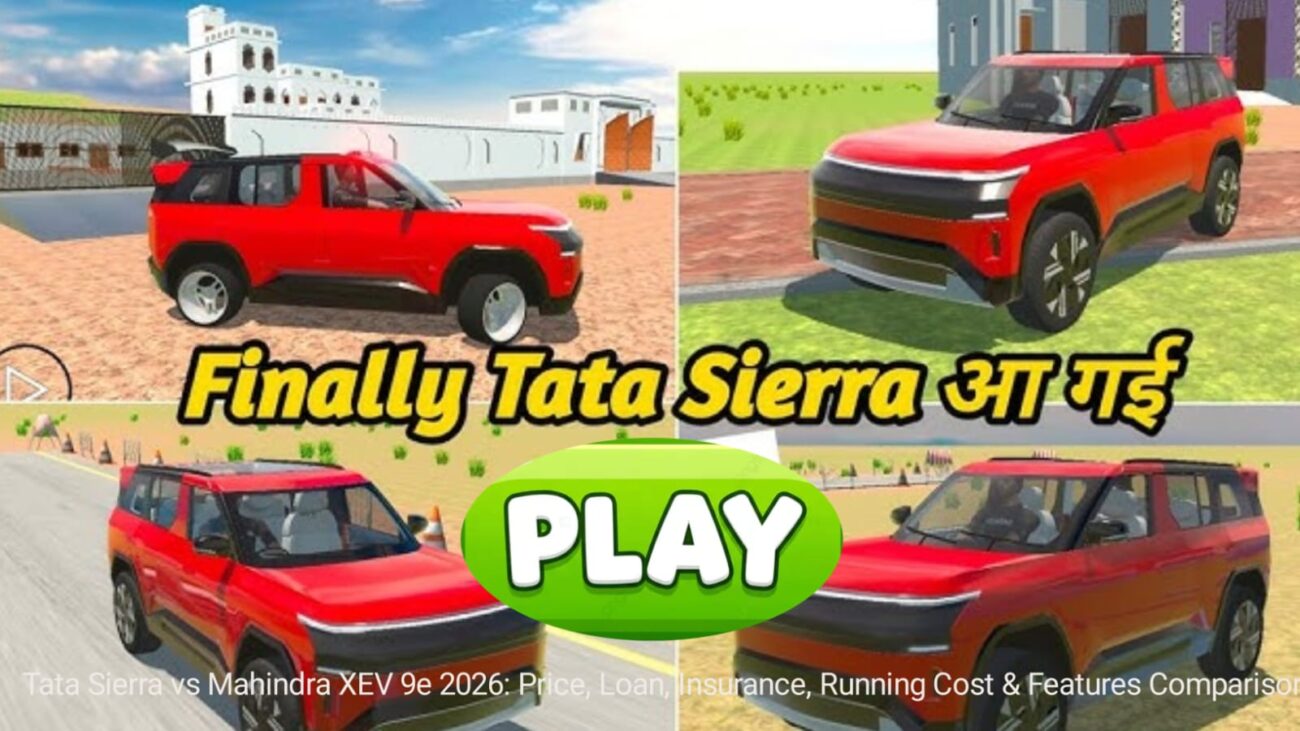
The Indian premium SUV market has become more exciting in 2026 with the arrival of the Tata Sierra and the Mahindra XEV 9e. Although both SUVs target modern buyers, they are built with different philosophies. The Tata Sierra is available with internal combustion (petrol) powertrains and focuses on practicality, flexibility, and value, while the Mahindra XEV 9e is a dedicated electric SUV built on Mahindra’s INGLO EV platform with an emphasis on futuristic technology, premium features, and electric performance.
🏎️ BMW Car Driving Simulator
Experience realistic BMW driving with stunning graphics and open world gameplay.
✅ HD Graphics
✅ Open World Driving
✅ Multiple BMW Cars
✅ Realistic Controls
👉 Play / Download NowFor buyers investing ₹15–30 lakh or more, the decision should not depend only on design or features. It is equally important to compare loan EMI, insurance premiums, maintenance costs, running expenses, resale value, and long-term ownership costs.
This guide compares the Tata Sierra and Mahindra XEV 9e across every important category to help you make an informed buying decision.
SUV Overview
Tata Sierra
The Tata Sierra is designed for buyers looking for:
- Premium family SUV
- Petrol engine options
- Spacious cabin
- Practical design
- Modern technology
- Comfortable highway driving
- Competitive pricing
It aims to combine nostalgic branding with modern engineering.
Mahindra XEV 9e
The Mahindra XEV 9e is a born-electric SUV offering:
- Dedicated EV platform
- Premium technology
- High driving range
- Fast charging capability
- Advanced digital cockpit
- Luxury interior
- Level 2 ADAS safety features
It targets buyers who want a next-generation electric SUV experience.
Exterior Design Comparison
Tata Sierra
Highlights include:
- Iconic Sierra-inspired styling
- LED lighting
- Muscular SUV stance
- Premium alloy wheels
- High ground clearance
- Bold road presence
Mahindra XEV 9e
Exterior highlights include:
- Aerodynamic coupe-SUV design
- Flush door handles
- Connected LED lighting
- Futuristic styling
- Premium finish
- Large alloy wheels
The XEV 9e has a more futuristic appearance, while the Sierra retains a classic SUV identity.
Interior Quality
Tata Sierra
The Sierra focuses on:
- Premium upholstery
- Spacious dashboard
- Digital displays
- Panoramic sunroof
- Comfortable seating
- Family-friendly layout
Mahindra XEV 9e
The XEV 9e offers:
- Triple-screen dashboard
- Premium cabin materials
- Ambient lighting
- Large panoramic roof
- Premium sound system
- Minimalist EV interior
Its cabin is more technology-focused.
Passenger Space
Tata Sierra
Offers:
- Comfortable seating
- Flexible cargo space
- Spacious second row
- Family-oriented practicality
Mahindra XEV 9e
Provides:
- Large cabin
- Generous boot space
- Flat EV floor
- Excellent rear legroom
The XEV 9e is physically larger, while the Sierra is easier to maneuver in urban environments.
Technology Features
Tata Sierra
Features may include:
- Large touchscreen infotainment
- Digital instrument cluster
- Wireless Android Auto & Apple CarPlay
- Connected car technology
- 360-degree camera
- Wireless charging
- Ventilated seats
- Panoramic sunroof
Mahindra XEV 9e
Technology includes:
- Triple-screen digital dashboard
- AI-enabled infotainment
- Connected vehicle platform
- Wireless connectivity
- Premium Harman Kardon audio
- Augmented reality navigation
- Over-the-air software updates
- Digital key functionality
The XEV 9e offers one of the most advanced infotainment systems in its class.
Performance Comparison
Tata Sierra
Designed for:
- Smooth city driving
- Highway comfort
- Flexible engine choices
- Reliable long-distance travel
Fuel refilling remains fast and convenient.
Mahindra XEV 9e
Delivers:
- Instant electric torque
- Smooth acceleration
- Silent driving experience
- Strong highway performance
- Quick overtaking ability
Electric power provides a different driving experience compared to petrol vehicles.
Running Cost Comparison
Tata Sierra
Running costs include:
- Petrol expenses
- Routine servicing
- Engine oil changes
- Filter replacements
- Scheduled maintenance
Fuel prices directly affect ownership expenses.
Mahindra XEV 9e
Running costs primarily include:
- Home charging
- Public charging
- Tire maintenance
- Brake servicing
- Battery cooling system maintenance
Daily operating costs are generally lower than comparable petrol SUVs when charging at home.
Charging vs Refueling
Tata Sierra
Advantages:
- Quick fuel refill
- Extensive fuel station network
- Ideal for long-distance travel
Mahindra XEV 9e
Advantages:
- Home charging convenience
- Lower energy cost
- Fast charging support
- Reduced dependence on fuel stations
Charging infrastructure should be considered before purchase.
Purchase Price
Vehicle pricing depends on:
- Variant
- Powertrain
- Optional packages
- Taxes
- Registration
- Dealer charges
The Tata Sierra has a significantly lower entry price than the Mahindra XEV 9e, making it more accessible, while the XEV 9e commands a premium for its EV platform and technology.
Additional Purchase Costs
Budget for:
- Registration fees
- Road tax (where applicable)
- Insurance
- Accessories
- Extended warranty
- Documentation charges
Vehicle Loan
Many buyers finance premium SUVs.
Approval depends on:
- Credit score
- Income
- Employment history
- Down payment
- Loan amount
- Loan tenure
Higher credit scores often receive lower interest rates.
EMI Planning
Monthly EMI depends on:
- Vehicle price
- Down payment
- Loan amount
- Interest rate
- Repayment period
Planning EMI before purchase helps maintain financial stability.
Insurance Costs
Insurance premiums depend on:
- Vehicle value
- Driver age
- Location
- Driving history
- Coverage selected
- Claim record
Premium EVs and premium ICE SUVs both generally attract higher insurance premiums than entry-level vehicles.
Insurance Coverage
Common coverage includes:
Third-Party Insurance
Mandatory protection against damage caused to others.
Comprehensive Insurance
May cover:
- Accidents
- Theft
- Fire
- Flood
- Natural disasters
- Vandalism
Battery Protection (EV)
EV owners may choose battery protection add-ons where available.
Zero Depreciation Cover
Helps reduce out-of-pocket repair costs during covered claims.
Maintenance Costs
Tata Sierra
Routine maintenance includes:
- Engine oil
- Air filters
- Brake servicing
- Spark plugs
- Cooling system
- Transmission servicing
Mahindra XEV 9e
Maintenance generally includes:
- Tire rotation
- Brake inspection
- Cabin filter replacement
- Software updates
- Suspension inspection
- Cooling system checks
EVs typically have fewer moving parts than petrol vehicles, which can reduce routine maintenance needs.
Safety Features
Both SUVs offer advanced safety equipment.
Common features include:
- Multiple airbags
- Electronic Stability Control
- ABS with EBD
- Hill Hold Assist
- 360-degree camera
- Parking sensors
- ISOFIX child seat anchors
Higher variants include Level 2 ADAS driver assistance technologies.
Ownership Cost
Annual ownership expenses include:
- EMI
- Insurance
- Fuel or charging
- Scheduled servicing
- Repairs
- Registration renewal
- Tires
- Depreciation
Evaluating total ownership costs provides a clearer picture than comparing purchase prices alone.
Resale Value
Tata Sierra
Resale value will depend on:
- Market acceptance
- Service history
- Vehicle condition
- Mileage
Mahindra XEV 9e
Future resale value will depend on:
- Battery health
- Software support
- Charging ecosystem
- Market demand for EVs
As both models are relatively new, long-term resale trends are still developing.
Which SUV Is Better for Families?
Tata Sierra
Best suited for:
- Long highway trips
- Buyers preferring petrol vehicles
- Easier refueling
- Practical ownership
Mahindra XEV 9e
Ideal for:
- Urban driving
- Technology enthusiasts
- Buyers with home charging
- Lower daily running costs
Pros of Tata Sierra
- Lower purchase price
- Practical family SUV
- Fast refueling
- Spacious cabin
- Modern features
- Easier long-distance travel
Pros of Mahindra XEV 9e
- Dedicated EV platform
- Lower running costs
- Premium technology
- Silent driving
- Excellent performance
- Advanced safety features
Buying Tips
Before choosing either SUV, consider:
- Monthly income
- Loan affordability
- Insurance budget
- Fuel or charging availability
- Annual driving distance
- Maintenance reserve
- Long-term ownership goals
Frequently Asked Questions (FAQs)
Which SUV is more affordable?
The Tata Sierra has a lower starting price than the Mahindra XEV 9e.
Which SUV has lower running costs?
The Mahindra XEV 9e generally offers lower daily running costs if you have access to home charging.
Is financing available?
Yes. Banks and financial institutions offer vehicle loans subject to eligibility.
Does credit score affect loan approval?
Yes. Better credit scores often improve approval chances and interest rates.
Which SUV offers better technology?
The Mahindra XEV 9e provides a more advanced digital cabin and EV-focused technology package.
Which SUV is better for highway travel?
The Tata Sierra benefits from quick refueling, while the XEV 9e offers quiet and smooth highway performance if charging infrastructure is available.
Is insurance expensive?
Insurance premiums vary by variant, coverage, location, and insurer, but premium SUVs generally cost more to insure than entry-level vehicles.
Which SUV is better for city driving?
The Mahindra XEV 9e offers smooth electric performance and lower running costs for daily urban use.
Should buyers purchase an extended warranty?
Extended warranties can help reduce unexpected repair expenses after the manufacturer’s standard warranty expires.
Which SUV offers better value in 2026?
The Tata Sierra is an excellent choice for buyers prioritizing affordability, practicality, and conventional ownership, while the Mahindra XEV 9e is better suited to those seeking cutting-edge technology, electric mobility, and lower day-to-day operating costs.
Disclaimer
This article is for informational purposes only. Vehicle specifications, prices, financing options, insurance premiums, maintenance costs, battery performance, fuel efficiency, charging costs, warranty coverage, taxes, and ownership expenses may vary by variant, location, dealership, lender, insurer, and market conditions. Always verify the latest information with authorized dealers and financial institutions before making a purchase decision.
Conclusion
The Tata Sierra and Mahindra XEV 9e represent two different approaches to the premium SUV market in 2026. The Sierra offers a practical, family-oriented package with conventional fuel convenience and a lower purchase price, while the XEV 9e delivers a premium electric experience with advanced technology, strong performance, and lower everyday running costs.
The better choice depends on your driving habits, charging access, budget, and long-term ownership plans. Buyers who frequently travel long distances and prefer conventional refueling may lean toward the Sierra, whereas those with predictable daily commutes and access to home charging are likely to benefit more from the Mahindra XEV 9e’s EV advantages. By comparing purchase price, EMI, insurance, running costs, and overall ownership expenses, you can select the SUV that best matches your lifestyle and financial goals.
