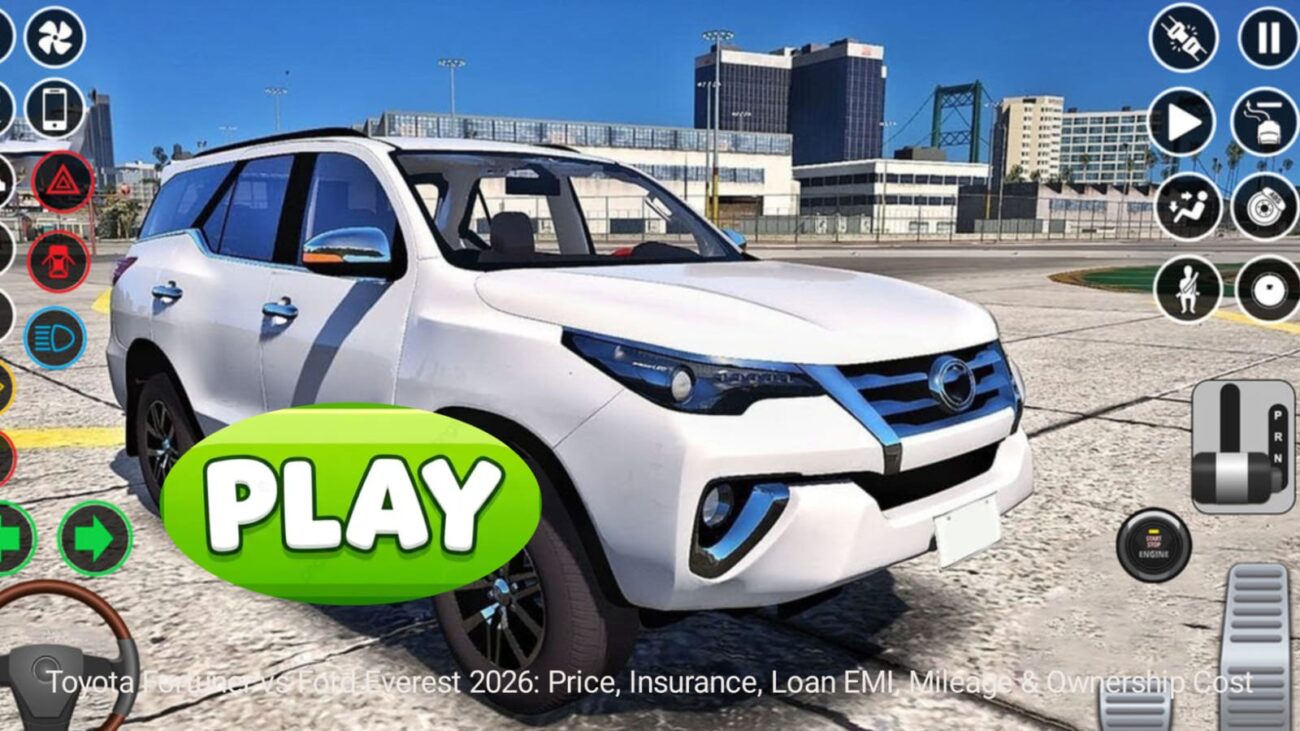
The premium SUV segment continues to attract buyers who need a combination of rugged capability, family comfort, long-distance touring ability, and modern technology. Among the most talked-about SUVs in 2026 are the Toyota Fortuner and the Ford Everest. Both models have built strong reputations for durability, off-road performance, spacious interiors, and strong resale value.

🏎️ BMW Car Driving Simulator
Experience realistic BMW driving with stunning graphics and open world gameplay.
✅ HD Graphics
✅ Open World Driving
✅ Multiple BMW Cars
✅ Realistic Controls
👉 Play / Download NowHowever, choosing between these two SUVs involves more than comparing styling or engine specifications. Buyers should also consider purchase price, financing options, monthly EMI, insurance premiums, fuel efficiency, annual maintenance, ownership expenses, depreciation, resale value, and long-term reliability.
Whether you plan to use your SUV for daily commuting, family trips, business travel, or adventure driving, understanding the total cost of ownership can help you make a smarter financial decision.
This comprehensive guide compares the Toyota Fortuner and Ford Everest in detail, covering pricing, loan financing, insurance costs, mileage, maintenance, resale value, ownership expenses, technology, safety, comfort, and overall value for money in 2026.
SUV Overview
Toyota Fortuner
The Toyota Fortuner is known for:
- Rugged build quality
- Excellent reliability
- Strong resale value
- Powerful diesel engine options
- Off-road capability
- Spacious cabin
- Proven long-term durability
It remains one of the most trusted premium SUVs in many global markets.
Ford Everest
The Ford Everest is designed for buyers seeking:
- Premium styling
- Modern interior
- Advanced technology
- Comfortable highway driving
- Strong towing capability
- Excellent safety systems
- Family-friendly practicality
It combines rugged SUV performance with modern luxury.
Exterior Design
Toyota Fortuner
Highlights include:
- Bold front grille
- Muscular body design
- High ground clearance
- Strong road presence
- Durable construction
Its styling reflects toughness and reliability.
Ford Everest
The Everest offers:
- Modern front fascia
- Premium LED lighting
- Aerodynamic body
- Contemporary styling
- Sophisticated SUV appearance
Its design emphasizes refinement and versatility.
Interior Quality
Both SUVs offer premium interiors.
Toyota Fortuner
Features:
- Comfortable seating
- Durable cabin materials
- Practical dashboard
- Family-oriented layout
Ford Everest
Offers:
- Premium dashboard
- Large digital displays
- High-quality interior finishes
- Modern cabin design
The Everest generally emphasizes luxury while the Fortuner focuses on practicality.
Passenger Space
Toyota Fortuner
Provides:
- Spacious seating
- Three-row configuration
- Good cargo flexibility
- Comfortable long-distance travel
Ford Everest
Offers:
- Spacious cabin
- Comfortable second-row seating
- Flexible luggage capacity
- Family-friendly layout
Both SUVs comfortably accommodate larger families.
Technology Features
Modern technology available in both SUVs may include:
- Touchscreen infotainment system
- Wireless smartphone connectivity
- Navigation
- Digital instrument cluster
- Voice commands
- USB charging ports
- Premium audio system
Higher trim levels include additional luxury features.
Performance Comparison
Toyota Fortuner
Known for:
- Reliable engine performance
- Excellent off-road capability
- Strong low-speed torque
- Long-distance durability
Ideal for buyers who frequently drive on challenging terrain.
Ford Everest
Designed for:
- Smooth highway performance
- Comfortable ride
- Responsive handling
- Balanced suspension
It delivers a refined driving experience for both city and highway use.
Ride Comfort
Toyota Fortuner
Strengths include:
- High seating position
- Excellent road visibility
- Durable suspension
- Stable highway performance
Ford Everest
Offers:
- Softer ride quality
- Better cabin refinement
- Reduced road noise
- Comfortable suspension tuning
Off-Road Capability
Both SUVs are capable off-road vehicles.
Toyota Fortuner focuses on:
- Proven reliability
- Rugged construction
- Excellent durability
Ford Everest offers:
- Modern off-road technology
- Terrain management systems
- Advanced traction control
The better choice depends on driving requirements.
Safety Features
Both SUVs provide advanced safety technologies including:
- Multiple airbags
- Automatic emergency braking
- Lane keeping assistance
- Blind spot monitoring
- Adaptive cruise control
- Rear parking camera
- Electronic stability control
- Hill descent control
Available features vary by trim level.
Purchase Price
Vehicle pricing depends on:
- Model variant
- Engine choice
- Optional equipment
- Taxes
- Registration fees
- Dealer charges
Premium variants significantly increase total purchase cost.
Additional Purchase Expenses
Buyers should budget for:
- Registration fees
- Road taxes
- Documentation charges
- Dealer handling fees
- Accessories
- Extended warranty
- Insurance
These costs contribute to the overall acquisition expense.
Loan Financing
Many buyers purchase SUVs through vehicle loans.
Approval typically depends on:
- Credit score
- Income
- Employment stability
- Down payment
- Existing debt
- Loan tenure
Higher credit scores often qualify for more competitive interest rates.
Down Payment
Making a larger down payment can provide:
- Lower monthly EMI
- Reduced interest costs
- Faster loan repayment
- Improved financial flexibility
EMI Planning
Monthly EMI depends on:
- Vehicle price
- Loan amount
- Interest rate
- Loan tenure
- Down payment
Shorter loan terms reduce total interest but increase monthly payments.
Insurance Costs
Insurance is one of the most important ownership expenses.
Premiums depend on:
- Driver profile
- Vehicle value
- Coverage selected
- Claims history
- Location
- Deductible
Comprehensive insurance generally provides broader financial protection.
Insurance Coverage
Typical coverage options include:
Liability Insurance
Protects against damage caused to others.
Comprehensive Insurance
May cover theft, fire, vandalism, and certain natural events.
Collision Coverage
Helps cover eligible repair costs after covered accidents.
Personal Accident Cover
Provides financial protection in specified accident-related situations.
Mileage Comparison
Fuel efficiency depends on:
- Engine type
- Driving style
- Road conditions
- Vehicle load
- Traffic
The Toyota Fortuner is generally recognized for dependable fuel economy in diesel variants, while the Ford Everest focuses on balancing power and efficiency.
Maintenance Costs
Routine maintenance includes:
- Engine oil changes
- Brake servicing
- Tire replacement
- Air filters
- Suspension inspection
- Battery replacement
- Wheel alignment
Regular servicing helps improve reliability and resale value.
Reliability
Toyota Fortuner has built a reputation for:
- Long engine life
- Lower unexpected repairs
- Proven durability
- Consistent reliability
Ford Everest offers:
- Modern engineering
- Improved build quality
- Strong safety standards
- Comfortable ownership experience
Ownership Costs
Annual ownership expenses include:
- Insurance
- Fuel
- Maintenance
- Registration renewal
- Repairs
- Tire replacement
- Cleaning and detailing
- Depreciation
Evaluating these expenses provides a more accurate ownership budget.
Depreciation
Vehicle value decreases over time.
Factors affecting depreciation include:
- Mileage
- Service history
- Accident record
- Vehicle condition
- Market demand
- Model popularity
Proper maintenance helps preserve resale value.
Resale Value
Several factors support stronger resale prices.
These include:
- Complete service records
- Low mileage
- Original condition
- Reliable maintenance
- Strong brand reputation
Historically, the Toyota Fortuner has maintained particularly strong resale demand in many markets.
Family Practicality
Both SUVs offer:
- Three-row seating
- Large luggage space
- Comfortable road trips
- High safety standards
- Excellent visibility
Both are suitable family vehicles.
Pros of Toyota Fortuner
- Excellent reliability
- Strong resale value
- Proven off-road capability
- Durable construction
- Trusted brand reputation
- Lower long-term ownership risk
Pros of Ford Everest
- Modern styling
- Comfortable ride
- Advanced technology
- Premium cabin
- Strong safety features
- Excellent highway comfort
Things to Consider Before Buying
Before making a purchase, evaluate:
- Monthly income
- Existing financial commitments
- Insurance budget
- Fuel expenses
- Maintenance reserve
- Loan affordability
- Long-term ownership plans
Selecting a vehicle that fits your financial situation is just as important as choosing the right features.
Common Buying Mistakes
Comparing Only Purchase Price
Ownership costs extend far beyond the initial purchase.
Ignoring Insurance Premiums
Insurance should be included in long-term budgeting.
Underestimating Maintenance
Routine servicing is essential for both SUVs.
Borrowing Beyond Budget
High EMIs can affect financial stability.
Ignoring Resale Value
Future resale value influences total ownership cost.
Frequently Asked Questions (FAQs)
Which SUV is better for off-road driving?
Both are capable, but the Toyota Fortuner has a long-standing reputation for durability in demanding conditions.
Which SUV is more comfortable?
The Ford Everest generally emphasizes ride comfort and interior refinement, while the Fortuner prioritizes rugged capability.
Does credit score affect vehicle loan approval?
Yes. A stronger credit score often improves financing options and loan terms.
Which SUV has better resale value?
Resale value depends on maintenance, mileage, and market demand, though the Toyota Fortuner has historically retained value particularly well.
Is insurance expensive for premium SUVs?
Insurance premiums are generally higher than for standard vehicles due to higher repair and replacement costs.
Which SUV is better for families?
Both provide spacious cabins, three-row seating, and strong safety features suitable for family use.
What ownership expenses should buyers expect?
Fuel, insurance, maintenance, servicing, repairs, registration, and depreciation are all important ownership costs.
Should buyers consider an extended warranty?
An extended warranty may provide additional protection against certain repair costs after the manufacturer’s warranty expires.
Which SUV is more reliable?
Both offer strong reliability, but the Toyota Fortuner has earned a particularly strong long-term reputation for durability.
Which SUV offers better value in 2026?
The answer depends on individual priorities. Buyers seeking proven reliability and resale value may prefer the Toyota Fortuner, while those prioritizing modern technology and ride comfort may find the Ford Everest a better fit.
Disclaimer
This article is intended for educational and informational purposes only. Vehicle specifications, pricing, financing options, insurance premiums, maintenance costs, mileage, warranty coverage, fuel efficiency, resale values, taxes, and ownership expenses may vary depending on the market, dealership, lender, insurer, location, and individual circumstances.
Readers should verify all information directly with authorized dealerships, financial institutions, insurance providers, and qualified automotive professionals before making purchasing decisions. This content does not constitute financial, legal, insurance, investment, or professional automotive advice.
Conclusion
The Toyota Fortuner and Ford Everest remain two of the strongest premium SUV choices in 2026, each offering a unique combination of capability, comfort, technology, and long-term ownership benefits. The Fortuner continues to appeal to buyers who prioritize reliability, off-road performance, and exceptional resale value, while the Everest stands out with its refined interior, advanced technology, and comfortable driving experience.
A smart purchase decision should be based not only on styling or performance but also on the complete financial picture. Comparing purchase price, loan EMI, insurance premiums, maintenance costs, fuel expenses, and long-term ownership costs will help buyers select the SUV that best matches both their lifestyle and budget. Proper financial planning ensures a more rewarding ownership experience over the years.
